


The Garden Glossary
the garden glossary
Garden Terms for Beginners
I’m a nurse, so I know how confusing specialized terms can be. Gardening has its own language too! This glossary is your quick-reference guide with clear, practical definitions to help you grow your confidence, one term at a time.
A | B | C | D | E | F | G | H | I | J | K | L | M | N | O | P | Q | R | S | T | U | V | W | X | Y |
A
- Azalea: A flowering shrub that prefers acidic soil.
B
- Blood meal: High-nitrogen fertilizer made from dried animal blood.
- Bone meal: Phosphorus-rich fertilizer made from ground animal bones.
- Blood fish meal: Fertilizer made from ground fish, high in nitrogen and phosphorus.
C
- Cabbage Worm-The caterpillar stage of several species of butterflies and moths that feed on cabbage, kale, broccoli, and other brassica plants. Cabbage worms chew holes in leaves and can reduce crop yield if not managed.
- Compost: Decomposed organic matter used to enrich soil.
- Cucumber Beetle-A small, striped or spotted beetle that feeds on cucumbers, squash, melons, and related plants. They can damage leaves, stems, and fruits and may transmit bacterial wilt and mosaic viruses to crops.
D
- Deadheading-Removing spent flowers to encourage more blooms.
- Dormancy-A period when a plant’s growth slows or stops
- Drip Irrigation-Slow watering system that delivers water directly to the roots
E
- Espalier-Training a plant to grow flat against a wall, fence, or trellis.
F
G
H
- Hardiness Zone-A geographic classification system that indicates the average minimum winter temperature of a region. It helps gardeners determine which plants are likely to survive and thrive in their local climate. See also USDA Planting Zone.
- Harlequin Bug– A brightly colored, shield-shaped insect (Murgantia histrionica) that feeds on cruciferous plants such as cabbage, kale, and broccoli. Harlequin bugs pierce plant tissues to suck sap, causing wilting, stunted growth, and leaf discoloration. Common Host Plants are Cabbage, kale, broccoli, collards, mustard greens. Impact: Considered a serious pest in vegetable gardens due to feeding damage and rapid population growth.
- Heirloom-A plant variety passed down for generations.
- Host Plant–
- Horticulture-The Science and art of garden cultivation
I
- Indeterminate: A type of plant, often tomatoes, that keeps growing and producing fruit until frost.
- Invasive species-Non-Native plants that spread aggressively and disrupt ecosystems.
J
K
L
- Leaf mold – Decomposed leaves used to enrich soil.
M
- Microclimate: The small-scale climate of a specific garden area that may differ from the general region.
- Mycorrhiza-Beneficial fungi that help plant roots absorb nutrients.
N
- Native Plant
- NPK
- Node
O
P
- Perennial-A plant that lives for multiple years.
- Photosynthesis: The process by which plants convert sunlight into energy.
- PK: Refers to phosphorus (P) and potassium (K), essential nutrients for plants.
- Plant Families– Plant families are groups of plants that share broad characteristics, similar growth habits, and botanical traits. Members of a family often have similar flowers, leaves, fruit, or root structures, and they tend to thrive under similar growing conditions. Understanding plant families helps gardeners choose, grow, and care for plants more confidently, and see patterns across different species in the garden.
Q
R
S
- Sulfur lime: Soil amendment used to adjust pH levels.
- Squash Bug -A dark, shield-shaped insect (Anasa tristis) that feeds on squash, pumpkin, and cucumber plants by sucking sap. Infestations can cause wilting, yellowing, and reduced yields.
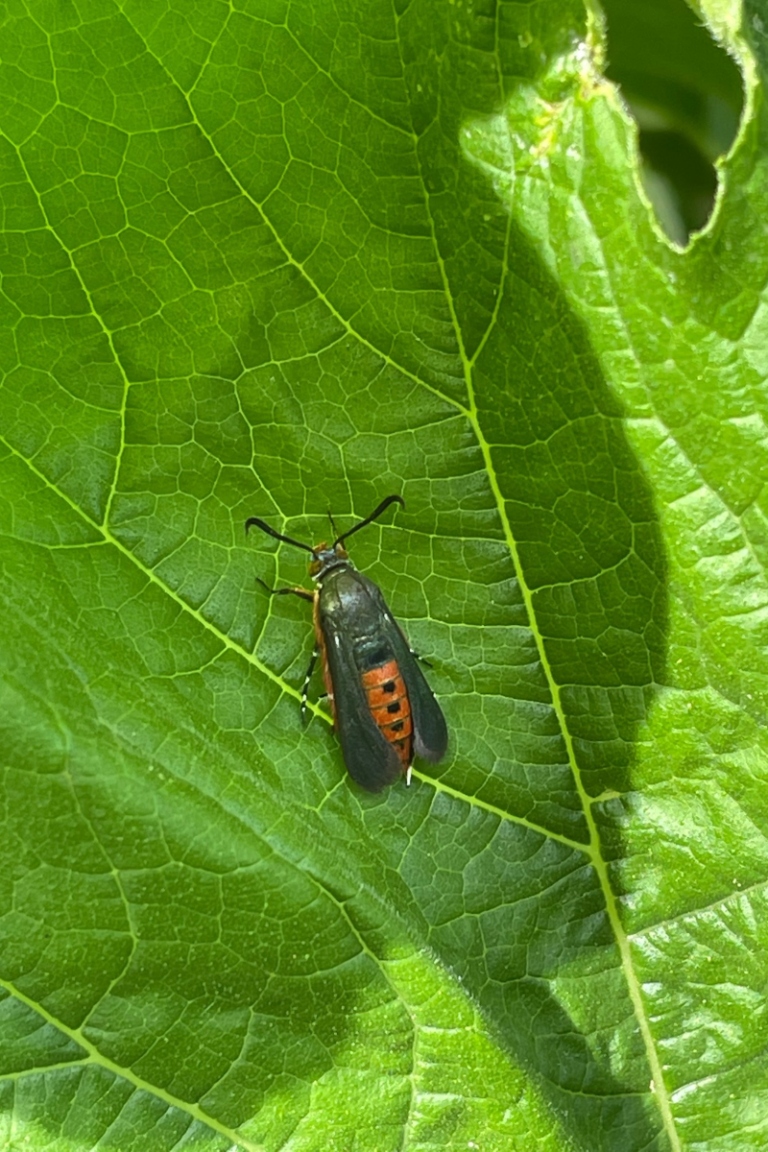
- Squash Vine Borer– The larval stage of the clearwing moth (Melittia cucurbitae) that bores into the stems of squash and pumpkin plants. Infestation can quickly kill vines and destroy crops if not managed early.
T
- Tobacco Hornworm-A large green caterpillar (Manduca sexta) similar to the tomato hornworm that primarily feeds on tobacco, tomato, and related plants. It can cause significant leaf and fruit damage in gardens.
- Tomato Hornworm-The green caterpillar of the five-spotted hawk moth (Manduca quinquemaculata) that feeds on tomato, pepper, and eggplant plants. Tomato hornworms can defoliate plants rapidly if not controlled.
U
- USDA Planting Zone-A system created to help gardeners determine which plants are likely to thrive in their area. The U.S. is divided into zones based on the region’s average minimum winter temperatures. A plant’s “hardiness zone” indicates the coldest zone it can survive, helping you choose plants that can withstand your local winters.
V
- Vermiculite–
- Vermicompost – Compost made with worms.
W
- Worm castings: Nutrient-rich compost made by earthworms.